For most people, a scar marks the end of healing. Once the stitches are removed and the skin has closed, it's easy to assume the body has finished repairing itself.
But healing doesn't always end at the skin.
Beneath every scar lies a complex network of connective tissue, nerves, blood vessels, and fascia—the continuous web of tissue that links muscles, bones, organs, and the skin itself. Research suggests that scar tissue can sometimes remain more sensitive or less mobile than the surrounding tissue, and in some people this may continue to influence how the body moves and responds long after the original injury has healed.
This is why scars occasionally seem to have effects beyond the place where they formed. A caesarean scar may contribute to tension through the lower abdomen. A scar across the chest can sometimes influence posture or shoulder movement. Even scars that are many years old can remain surprisingly sensitive when examined.
Japanese acupuncture has recognised the importance of scar tissue for centuries. In this tradition, scars are understood to interrupt the smooth flow of qi through the body's channel system. Rather than viewing a scar as an isolated patch of skin, Japanese acupuncture considers how it may influence the body's wider patterns of movement, sensation, and function.
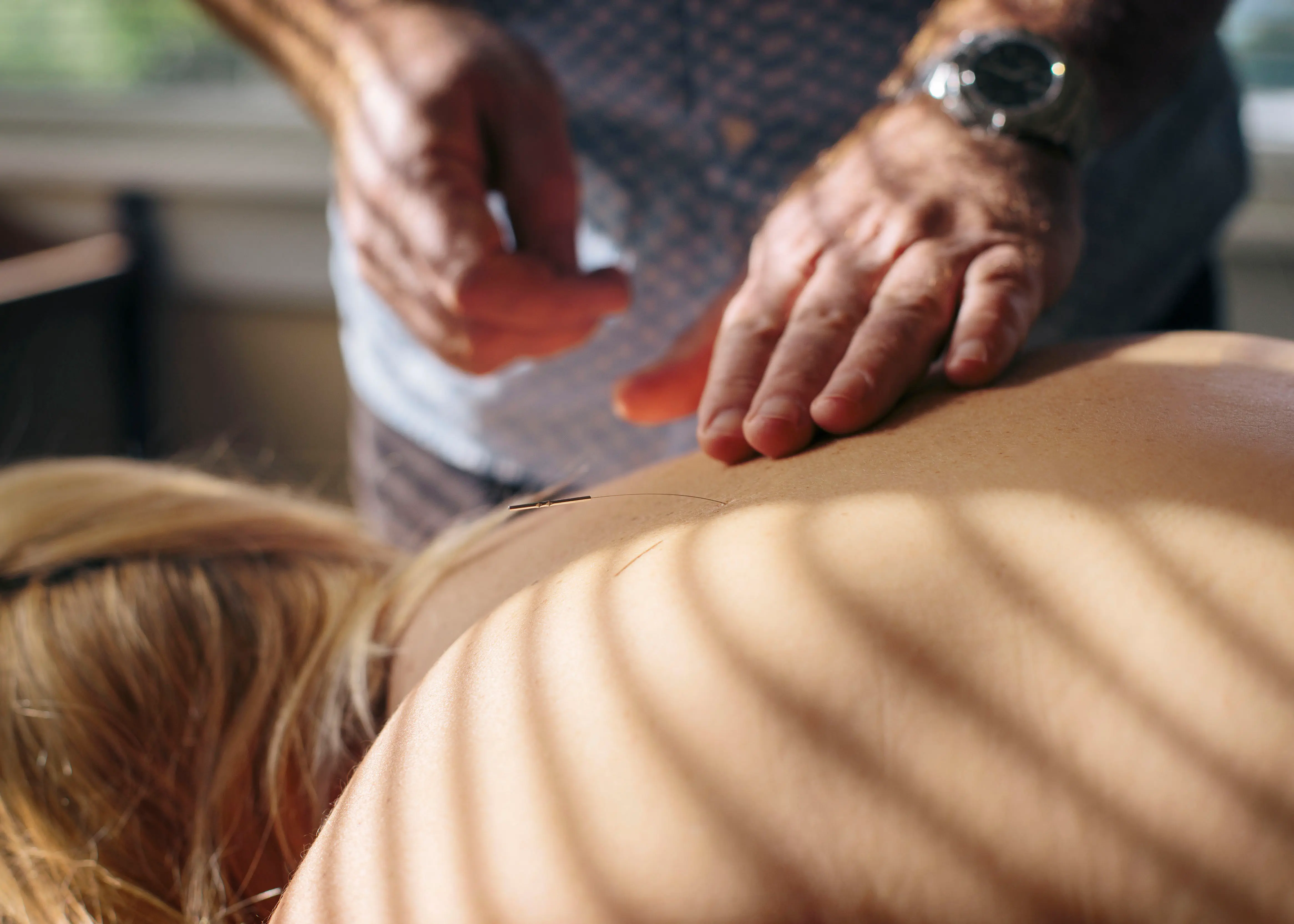
Treatment is typically very gentle. Ultra-fine needles are placed shallowly around the scar to encourage healthy circulation, improve tissue mobility, and help calm ongoing sensitivity within the local nervous system. Depending on the individual, treatment may also include gentle warming techniques or small therapeutic magnets. The treatment is always tailored to the person, not simply to the scar.
Whether a scar is recent or decades old, treatment is guided by how it feels and behaves rather than simply by its age. Newer scars often respond more quickly, but older scars can also change over time. By improving the health and mobility of scar tissue, we may also help the body move, feel, and function more comfortably.
A scar tells the story of how the body healed. Sometimes it also tells us where the body may still need a little help.
If a scar might be contributing to ongoing pain or restricted movement, it's something we can explore as part of injury and pain treatment.




.svg)