Acupuncture can help with a wider range of conditions than most people expect. Here's how I can support you.
Acupuncture may also support a wide range of other health concerns. Here's a little more about the conditions I commonly treat and the techniques I use.
Common Musculoskeletal Conditions
+Whether it's an old injury that's flared up again or pain that's stopping you doing the things you enjoy, acupuncture may help reduce pain, improve movement, and support your recovery.
Respiratory Health
+Whether it's seasonal allergies, recurring sinus congestion, or asthma, acupuncture may help support easier breathing and reduce the impact of ongoing symptoms.
Digestive Health
+Digestive problems can affect comfort, energy, and everyday life. Acupuncture may help support healthy digestive function and ease a range of digestive concerns.
Headaches & Migraines
+Headaches can affect work, family life, and your ability to enjoy the day. Acupuncture may help reduce both the frequency and severity of headaches and migraines.
Sleep, Energy & Recovery
+Sometimes there isn't one specific problem—just a feeling that your body isn't functioning at its best. Acupuncture may help restore balance, improve sleep, and support your body's natural recovery.
A closer look at the techniques I draw on, and how they differ from other styles of needling.
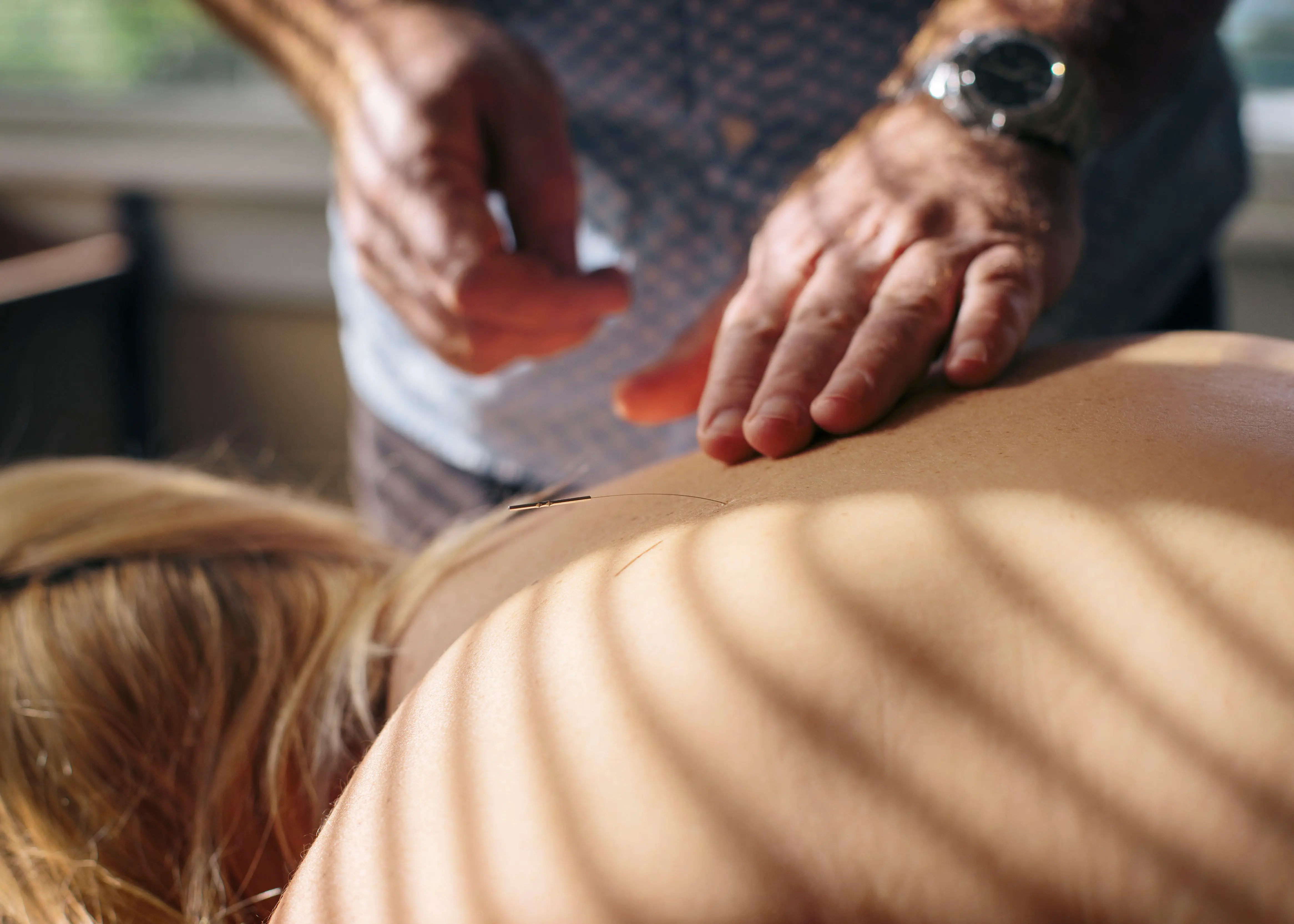
A Gentle Approach to Acupuncture
+I practise Japanese acupuncture because I value gentle treatment, careful observation, and tailoring every session to the individual. Rooted in a long tradition of thoughtful, refined practice, Japanese acupuncture is particularly well suited to children, pregnancy, people who are sensitive to treatment, and anyone feeling nervous about acupuncture for the first time.
Good care starts with listening. That's why every treatment begins with understanding your story. Alongside listening carefully, I use pulse and abdominal palpation to build a picture of how your body is functioning as a whole. Treatment is then tailored to your unique needs, rather than following a standard protocol.
The needles used are generally finer than those in many other styles of acupuncture and are often inserted more superficially. Many people are surprised by how comfortable treatment feels, with some barely noticing the needles at all.
Although Japanese acupuncture shares its roots with traditional Chinese medicine, it has evolved into its own distinct style. While some approaches aim to produce a strong needling sensation (deqi), Japanese acupuncture generally favours a lighter touch, guided by careful palpation and the body's response throughout treatment.
It's also different from dry needling, which is commonly used by physiotherapists and other health professionals. Dry needling focuses on releasing tight muscles and trigger points using a Western anatomical model. Japanese acupuncture takes a broader view, considering not only where symptoms are felt, but how different systems of the body are working together. This whole-person approach is one of the reasons it can support such a wide range of health concerns—not just pain.
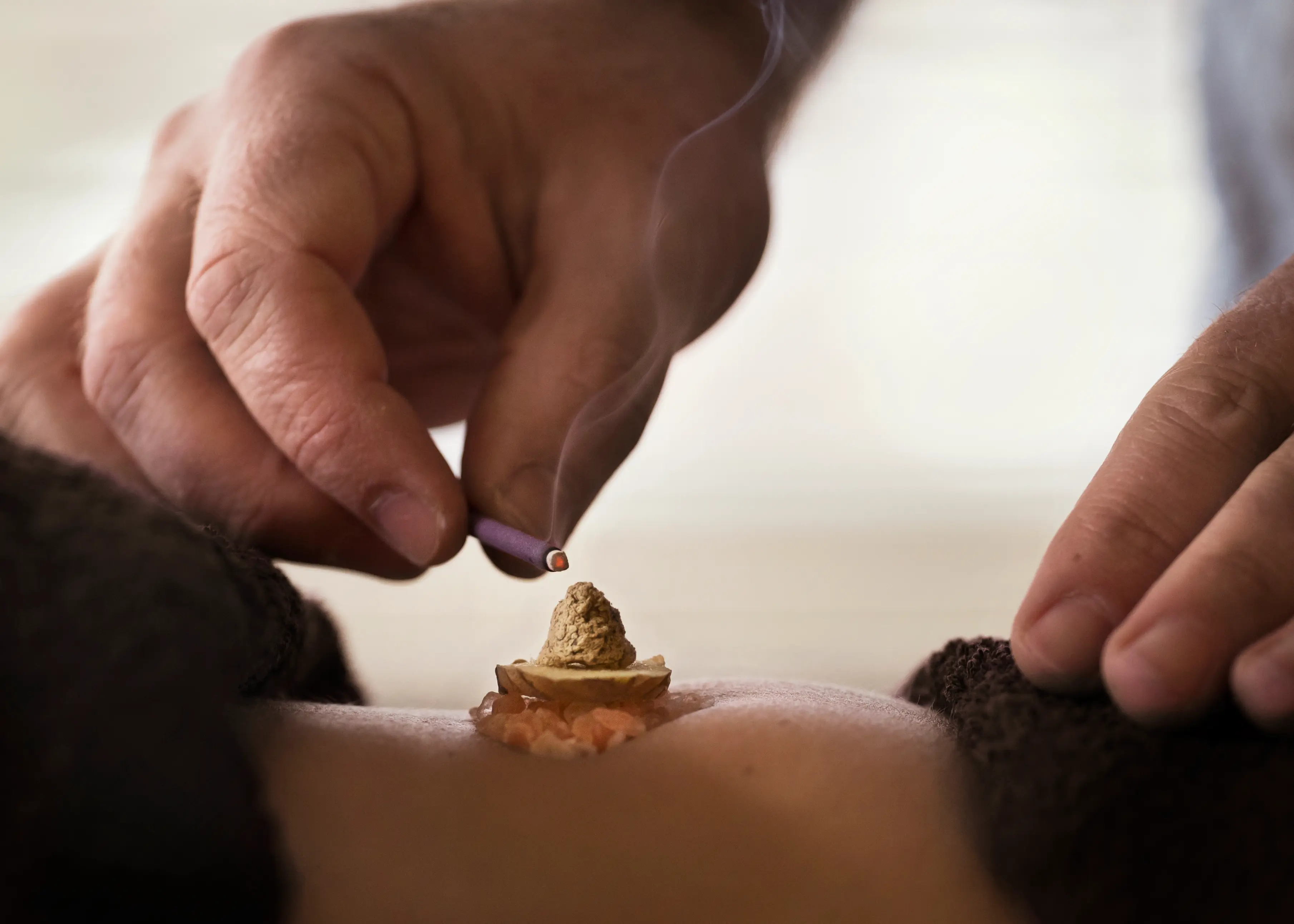
Moxibustion
+When warmth is needed to support healing, I often incorporate moxibustion alongside acupuncture. Rooted in Japanese tradition, moxibustion uses the gentle heat of dried mugwort to stimulate acupuncture points, bringing warmth and depth to treatment where circulation, healing, or energy need extra support.
My practice draws on several traditional Japanese moxibustion techniques, each carefully chosen to suit the individual and the condition being treated. Depending on your needs, this may involve warming a needle, using tiny cones of moxa, or holding a smouldering moxa stick just above the skin. Treatment is always gentle, carefully controlled, and tailored to your comfort.
Moxibustion is commonly used to support musculoskeletal pain, digestive concerns, fatigue, and recovery from illness. It is also well known for its role in helping encourage breech babies to turn in late pregnancy, where it is recognised in New Zealand clinical guidelines as a safe and appropriate treatment option.
Tired of feeling worn down, in pain, or just not quite right — and tired of solutions that only mask it? Your body already knows how to heal. Sometimes it just needs the right support to get there. Book an appointment and let's get you started.
Let's Get You Feeling Better
.svg)

Our Social Links





.svg)
.png)
.png)